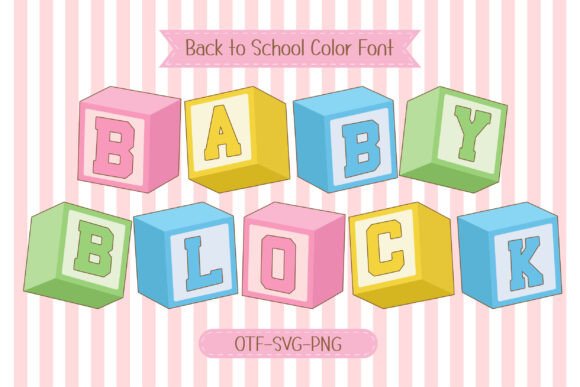
Baby Block: A Playful Font for Creative Design
There's a particular charm to the alphabet blocks many of us remember from childhood. They represent learning, discovery, and a certain unfiltered joy. The Baby Block typeface captures that essence, transforming it into a versatile digital asset. This isn't just another display font; it's a creative font designed to inject personality and warmth into a project. At its core, Baby Block is a sans serif font, but its character is softened by the rounded, dimensional forms of classic toy blocks. Each letter feels tactile, like it could be picked up and stacked, which gives it an immediate sense of familiarity and approachability.
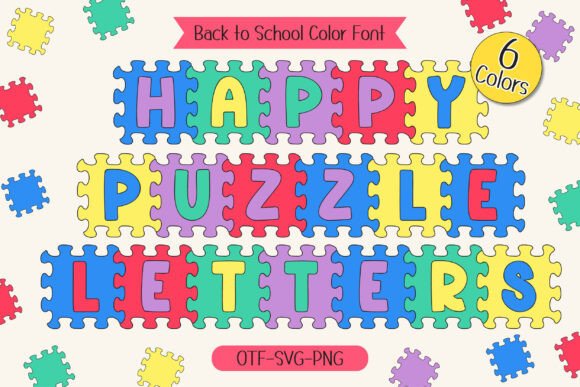
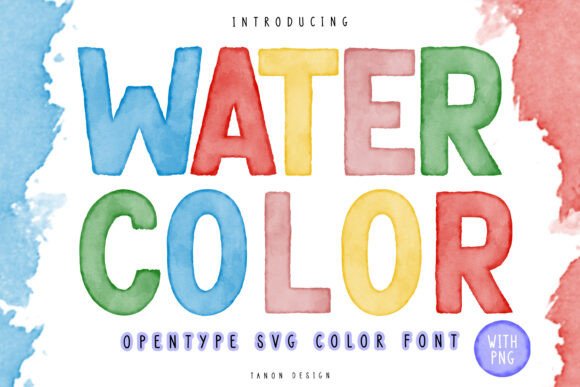
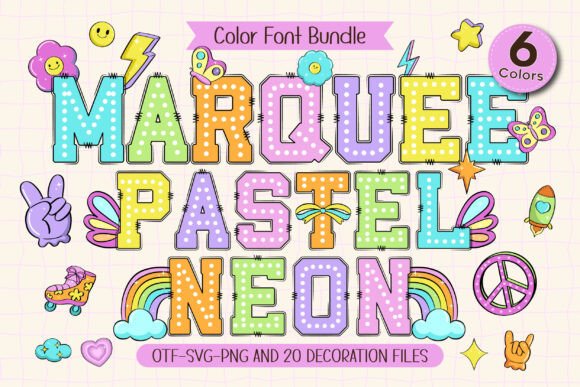
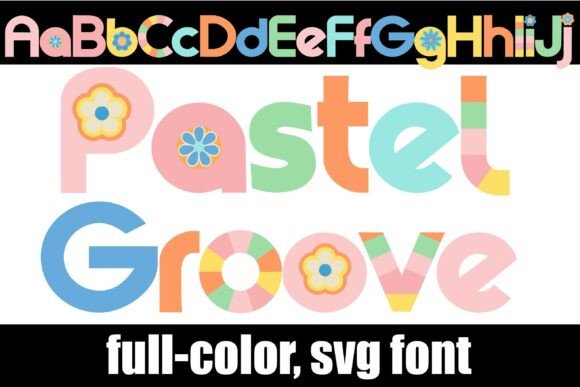
What sets this typeface apart is its integrated color palette. As a 4 Color Font, it arrives ready to use in soft pastels and bright, cheerful tones. This built-in chromatic feature eliminates the need for manual coloring in many applications, streamlining the design process. The visual personality of Baby Block is unmistakably fun, modern, and educational. It strikes a balance between a bold sans serif style for impact and a playful aesthetic that feels genuine rather than childish. For a designer, this means having a premium font asset that can do heavy lifting in creating a specific mood without extensive post-processing.
Practical Applications for Designers and Creators
The true test of any design asset is its utility. Baby Block finds its stride in projects where clarity, warmth, and a touch of whimsy are paramount. It’s a natural fit for the education sector—think classroom posters, learning app interfaces, and flashcard designs. The font’s inherent readability at larger sizes makes it excellent for headings and titles in children's learning materials and school-themed projects. Beyond the classroom, its cheerful demeanor translates perfectly into T-shirt designs and children's merch, where a bold, graphic statement is needed.
For entrepreneurs and small business owners in the kids' market, Baby Block can become a cornerstone of a brand identity. Imagine it on product packaging for toys, on the header of a parenting blog, or in social media graphics for a family-friendly event. Its modern typography feel keeps it from looking dated, while its playful roots ensure it connects with the intended audience. Bloggers and publishers can use it for chapter titles or pull quotes in editorial design aimed at a younger demographic or for content about family life. It’s also a fantastic choice for DIY crafts, invitations, and party decorations, where a personalized, handcrafted feel is desired.
Incorporating Baby Block into Your Design Workflow
Adopting a new font into your toolkit requires more than just liking its look. Effective use of Baby Block involves understanding its strengths and limitations. Its primary strength is as a display font for headlines, logos, and short bursts of text. Using it for long paragraphs would be impractical and hinder readability. When evaluating if it fits your project, consider the tone. Is your project aiming for professional seriousness or approachable creativity? Baby Block firmly plants its flag in the latter camp.
A critical step is testing font pairing. The bold, colorful nature of Baby Block means it pairs best with simple, neutral companions. A clean sans serif font or a basic serif font for body copy provides a necessary contrast, allowing the display font to shine without overwhelming the layout. For instance, pairing Baby Block with a font like Open Sans or Lato for supporting text creates a balanced and professional hierarchy. Always test how the font renders in your specific software, especially regarding its color font features, as support can vary between applications.
Before finalizing, review the full character set and any included styles to ensure it has the glyphs you need for your web design or packaging design. Also, verify the licensing for your intended use, whether it’s for personal DIY crafts or commercial logo design and merchandise. By thoughtfully integrating Baby Block, you add more than just letters to a page; you add a feeling of joyful learning and creativity that can make your brand identity or project truly memorable and engaging for your audience.